
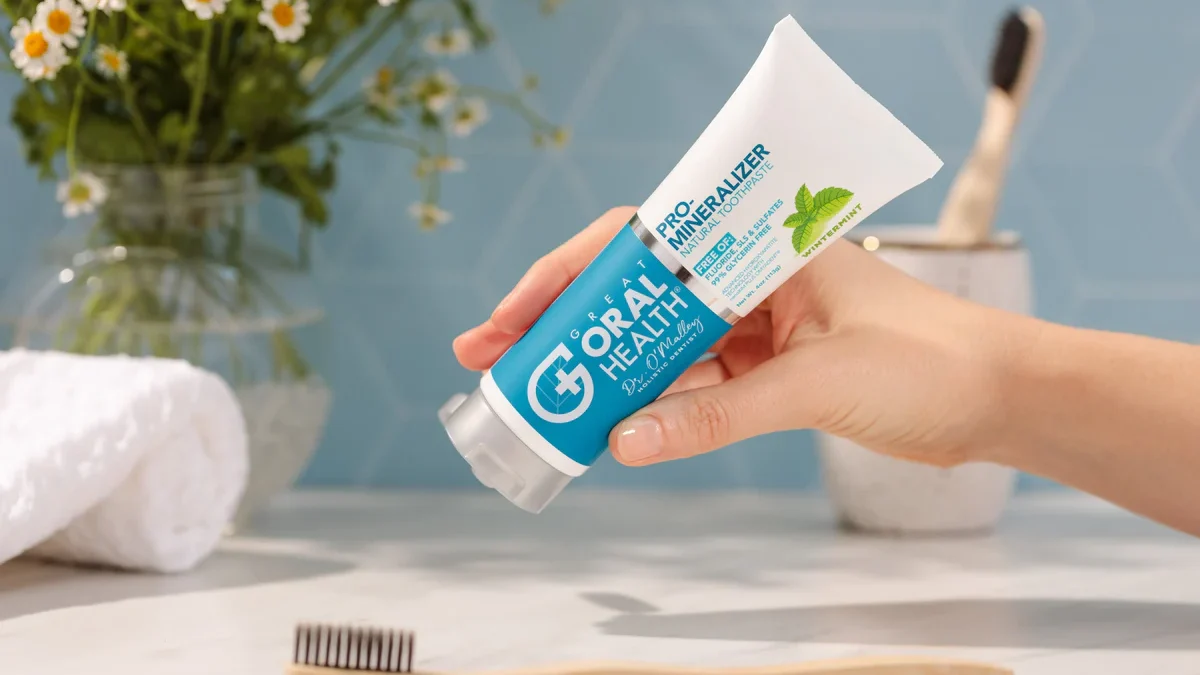

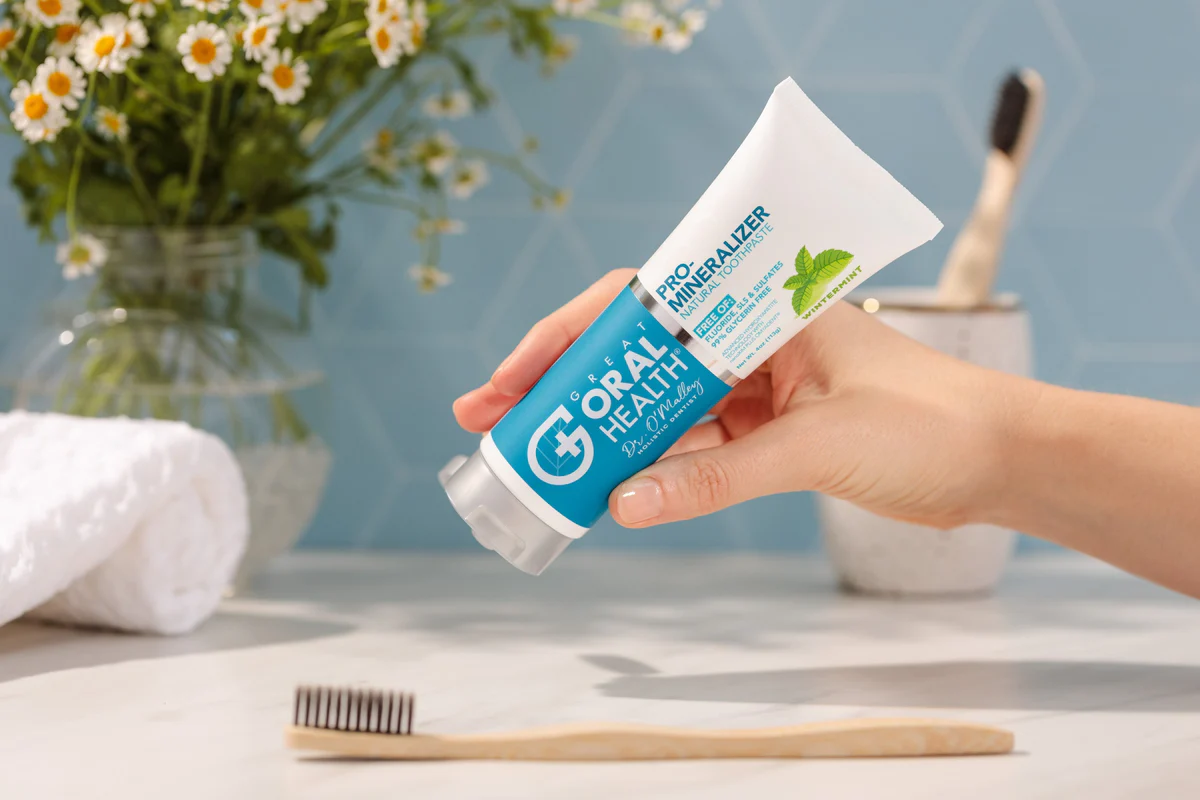
Hydroxyapatite (HAp) is the same mineral your teeth are made of, and it’s becoming a favorite for those wanting a fluoride alternative. As of 2026, the “best hydroxyapatite toothpaste“ options include Boka Ela Mint (using nano-HAp for deep remineralization), Davids Premium (a classic sensitive-safe formula), and SNOW Nano-Hydroxyapatite (highly rated for combined whitening and enamel repair). These pastes work by sealing the tiny tubules in your dentin, reducing sensitivity naturally while providing a gentle polish.
—
What Is Hydroxyapatite and Why Does It Matter?
Your tooth enamel is made of roughly 97% hydroxyapatite crystals. When acid from food or bacteria erodes those crystals, you get sensitivity, discoloration, and eventually cavities.
Hydroxyapatite toothpaste works by flooding your mouth with the exact same mineral your teeth are made of. Those tiny crystals fill in microscopic damage on the enamel surface – a process called remineralization.
Japanese researchers pioneered this technology in the 1970s for NASA (yes, really – to prevent bone loss in astronauts). It’s been used widely in Japan for decades. The West is just catching up.
—
What to Look For in a Good Hydroxyapatite Toothpaste
Not all HAp toothpastes are equal. Here’s what actually matters:
- **HAp concentration** – Look for 10% nano-hydroxyapatite or higher. Lower concentrations are often more marketing than function.
- **Nano vs. micro** – Nano-HAp particles are small enough to penetrate enamel rods. Micro-HAp sits on the surface. Nano is generally more effective.
- **No SLS (sodium lauryl sulfate)** – A foaming agent that can irritate gum tissue and canker sores. The best HAp toothpastes skip it.
- **Fluoride-free or with fluoride** – HAp is often chosen by people avoiding fluoride. But some formulas combine both for extra protection.
- **Abrasivity (RDA score)** – Should be under 70 for daily use. High-abrasion whitening toothpastes can scratch enamel over time.
—
Top Hydroxyapatite Toothpastes Compared
| Brand | HAp Type | Fluoride-Free | Whitening | SLS-Free | Approx. Price |
|—|—|—|—|—|—|
| Boka Ela Mint | Nano-HAp | Yes | Mild | Yes | ~$14 |
| Davids Premium | Nano-HAp | Yes | Yes | Yes | ~$12 |
| Risewell Mineral | Nano-HAp | No (has fluoride) | Mild | Yes | ~$15 |
| Apagard Premio | Nano-HAp | Yes | Yes | No | ~$20 |
| Dr. Brite Whitening | Micro-HAp | Yes | Strong | Yes | ~$10 |
| Twice Daily | HAp blend | No | Mild | Yes | ~$11 |
**Top pick overall:** Boka Ela Mint – high-quality nano-HAp, clean ingredient list, widely available, and the mint flavor is genuinely pleasant without being overwhelming.
**Best for whitening:** Davids Premium – combines HAp with mild abrasives and natural whitening agents effectively.
**Best with fluoride:** Risewell – for anyone who wants the remineralizing power of HAp but isn’t ready to drop fluoride entirely.
—
Who Should Use Hydroxyapatite Toothpaste?
HAp toothpaste works well for a specific set of people. It’s not necessarily better for everyone.
Great fit if you:
- Have sensitive teeth or enamel erosion
- Are avoiding fluoride (pregnancy, young children, personal preference)
- Want natural whitening without harsh bleaching
- Have canker sores triggered by SLS-heavy toothpastes
- Are remineralizing after acidic food or drink habits
Might want to stick with fluoride toothpaste if:
- You have a high cavity risk
- You drink non-fluoridated well water
- Your dentist has specifically recommended fluoride treatment
—
Hydroxyapatite vs. Fluoride: Which Is Better?
This is the question everyone’s asking. Here’s the honest comparison:
| Factor | Hydroxyapatite | Fluoride |
|—|—|—|
| Remineralization | Strong – directly rebuilds enamel | Strong – hardens existing enamel |
| Sensitivity reduction | Excellent | Moderate |
| Cavity prevention | Good for low-risk individuals | Proven for high-risk individuals |
| Safety concerns | None known; biocompatible | Safe at toothpaste doses; concerns mainly around ingestion |
| Whitening | Natural, gentle | Minimal |
| Cost | Slightly higher | Budget-friendly options widely available |
The short version: HAp is not inferior to fluoride – it works differently. For most healthy adults with good dental habits, it’s a legitimate and effective choice. For high-cavity-risk individuals or children, fluoride still has a stronger evidence base for cavity prevention.
—
Tips for Getting the Most Out of HAp Toothpaste
- **Don’t rinse immediately** – Leave the toothpaste residue on your teeth for a minute after brushing. The HAp needs time to bond.
- **Use twice daily** – Remineralization is a gradual process. Consistency matters more than intensity.
- **Pair with a soft brush** – HAp works on the surface; you don’t need aggressive scrubbing.
- **Give it 4-6 weeks** – Most people notice reduced sensitivity and improved surface smoothness within a month.
—
Final Verdict
Hydroxyapatite toothpaste isn’t a trend – it’s backed by solid science and has been proven in clinical use for decades in Japan. If you’re curious about cleaner ingredients, reducing sensitivity, or just want to try something different from the fluoride aisle, Boka or Davids is a great starting point.
Your teeth are literally made of this stuff. It makes sense to put it back.
