
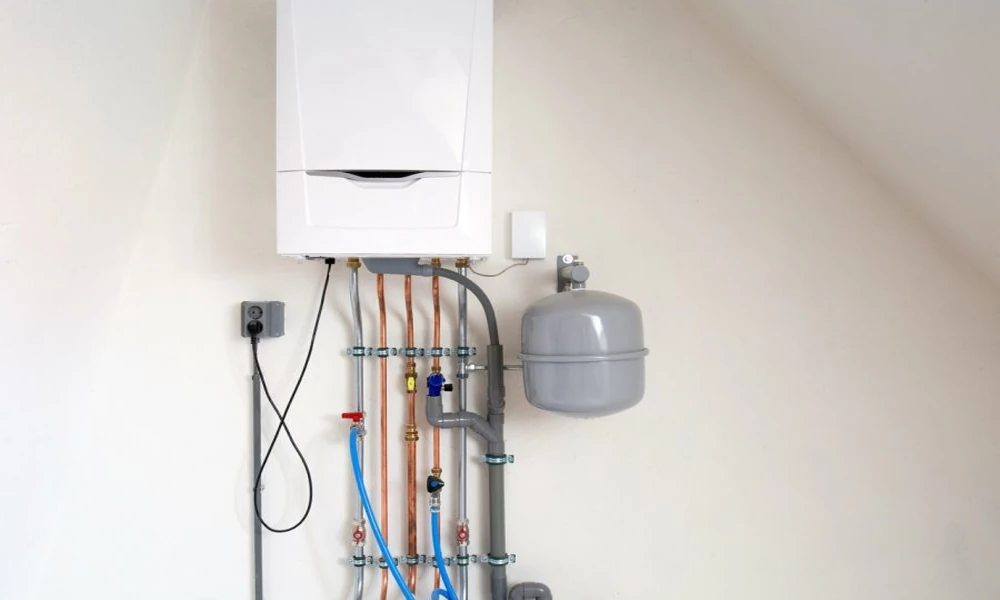

A tank water heater is easy to forget. It sits in a basement corner or a garage closet, hums a little, and asks for nothing until the morning it delivers a lukewarm shower or a puddle on the floor. By then the cause has usually been building for years, and much of it could have been caught by someone with a flashlight, a hose, and twenty minutes of attention.
Tacoma homes add their own twists. The city’s water comes mostly from the Green River, which is remarkably soft, but the utility also draws on wells that carry far more minerals. Winter rain can send fine grit down the pipeline. Many houses on the hills see high street pressure, and plenty of older homes still vent gas heaters through chimneys built long before anyone had modern appliances in mind.
For homeowners who would rather hand the job to a licensed local crew, water heater service in Tacoma is available from a locally owned shop based on Baltimore Street that keeps weekday hours and handles both repairs and new installations. That combination matters more than it sounds, because the same technician who tunes an aging tank can also give a straight answer about whether it’s worth saving. Whoever does the work, a proper checkup should touch every one of the points below.
What Happens Inside the Tank
The flush that clears out grit
Green River water is low in calcium, so heavy limescale is less of a problem here than in Phoenix or San Antonio. That doesn’t make flushing optional. During high demand months, groundwater from the utility’s wells blends into the supply, and that water is noticeably harder. Storm season can also push silt through the system. Both settle at the bottom of the tank, where they insulate the water from the burner or lower element and force the heater to run longer for the same result.
A good flush means shutting off the heat source, connecting a hose to the drain valve, and running water until it comes out clear rather than cloudy. Your tank is likely carrying a layer of sediment if you notice any of these.
- Popping or rumbling sounds while the heater runs, caused by water trapped under the sediment boiling in bursts
- Hot water that runs out sooner than it used to
- Tiny white or tan flakes caught in faucet aerators
- A drain valve that barely trickles when opened
Old plastic drain valves sometimes refuse to close properly after years of sitting untouched. A technician should be ready to replace one on the spot rather than leave you with a slow drip.
The anode rod nobody remembers
Every steel tank has a sacrificial rod inside, usually magnesium or aluminum, that corrodes so the tank lining doesn’t have to. Once the rod is eaten down to bare wire, the tank itself starts to rust from the inside, and that is the beginning of the end for most heaters.
Checking the rod means loosening a large hex head on top of the tank, which takes a long socket and some muscle. In soft water areas like most of Tacoma, rods often last longer than in hard water cities, but there is no way to know without pulling one. If your hot water ever smells of rotten eggs, the rod is often reacting with bacteria in the tank, and a different rod material or a powered anode can solve it.
The temperature dial and what it is fighting
Most manufacturers ship tanks set near 120 degrees, a common recommendation that balances scald risk against energy use. Tacoma’s tap water gets noticeably colder in January than in August, which means the heater has a larger temperature gap to close each winter. Families who suddenly run short of hot water around the holidays are often feeling this rather than a failing part.
Raising the setting can help, but it raises scald risk too, especially with small children or older adults in the home. A thermostatic mixing valve at the heater lets the tank store hotter water while sending a safe temperature to the faucets, which also stretches the usable supply.
What Happens Around the Tank
The relief valve on the side
The temperature and pressure relief valve is the safety device that keeps a tank from turning into a pressure vessel with nowhere to go. It should be tested by lifting the lever briefly and letting it snap back. A healthy valve releases a burst of water and then seals. One that drips afterward, or won’t open at all, needs replacing.
The discharge pipe matters as much as the valve. It should run downward to within a few inches of the floor or to an approved drain, with no threads on the end and no cap. Homeowners sometimes plug a dripping discharge pipe to stop a mess, which defeats the whole purpose.
The expansion tank and the street pressure feeding it
Water expands as it heats, and in a closed system that extra volume has nowhere to escape. Washington’s plumbing code calls for a thermal expansion tank in those cases, and many Tacoma homes already have one sitting above the heater. What few people realize is that the air charge inside it slowly leaks down. Once that happens, the tank fills with water and stops absorbing anything.
A technician can tap it (a waterlogged tank sounds dull all the way up) or check the air pressure with a gauge to make sure it matches the home’s water pressure. Houses on the hillsides sometimes see high street pressure, so a pressure reducing valve on the main line is worth a look at the same visit. Constant high pressure strains the tank, the relief valve, and every faucet in the house.
The venting, burner, and connections
On a gas heater, the checkup should include the burner flame, which ought to burn mostly blue, and the vent connector running to the flue. Older Tacoma houses often vent through masonry chimneys that once served an oil furnace or a wood stove. If the furnace was upgraded and now vents separately, the water heater can end up alone in a chimney that is too large for it, which encourages condensation and backdrafting. Holding a match near the draft hood while the burner runs is a simple test for whether exhaust is being pulled up and out.
Electric heaters swap the flame for two heating elements and their thermostats, which can be tested with a meter. In both cases, the visit should end with a look at the water and gas connections, the condition of the drain pan, and the seismic straps, which Washington requires on every tank.
When a Checkup Turns Into a Bigger Conversation
Most tank heaters last somewhere around ten to fifteen years, and the checkup is the natural moment to talk honestly about where yours stands. Rust weeping from the base, water in the drain pan with no other source, or a tank well past its second decade usually point toward replacement rather than another round of parts.
That decision has grown more interesting locally. Heat pump water heaters pull warmth from the surrounding air and use far less electricity than standard electric tanks, and Tacoma Power has offered incentives for qualifying models through its residential rebate programs, including fully funded upgrades for some income qualified households moving away from gas. They do need space and airflow, and they work best in a garage or basement that stays above freezing, which describes a good share of homes around Puget Sound.
Even if replacement is years away, a yearly visit keeps the heater running efficiently and gives you time to plan instead of shopping for a new tank in a hurry with no hot water in the house.
