
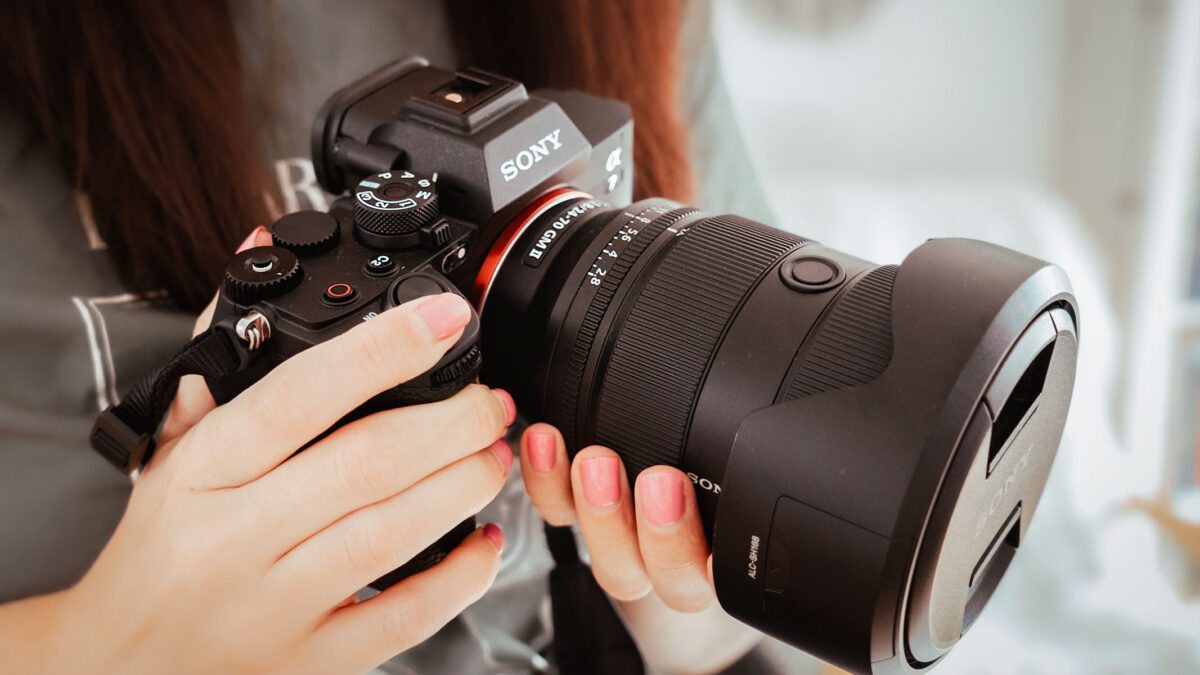

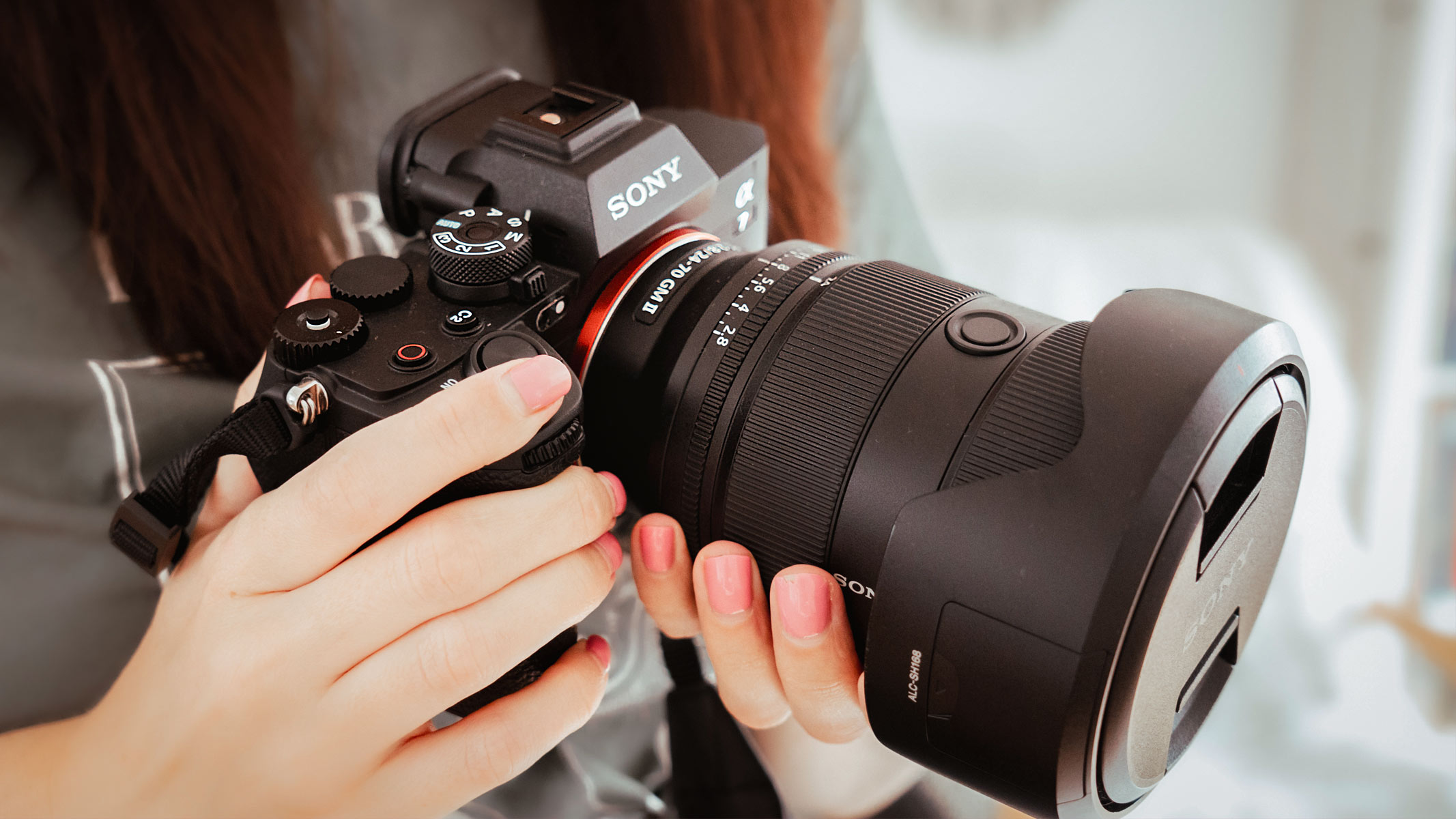
The “best” camera is useless if it doesn’t match your niche. In 2026, the “best camera for professional photography“ is categorized by specialized needs:
-
Wedding/Event: Canon EOS R6 Mark III for its balance of speed and incredible low-light autofocus.
-
Wildlife/Action: Nikon Z8 for its blistering frame rates and “sticky” subject tracking.
-
Portrait/Commercial: Fujifilm GFX 100S II for medium-format resolution and unmatched color depth.
-
Street/Travel: Fujifilm X100VI for a premium, compact “carry-everywhere” experience.
**The short answer:** For most professional photographers, the Sony A7R V (best all-rounder), Canon EOS R5 (best for hybrid photo/video), and Nikon Z8 (best value at this tier) are the top full-frame mirrorless options in 2024. If you shoot wildlife or sports, the Sony A9 III or Canon R3 lead on speed.
—
What Actually Makes a Camera “Professional”?
It’s not just megapixels. Here’s what separates pro gear from advanced consumer gear:
**Autofocus system** – Subject tracking, eye AF, face detection. At this level, AF should feel almost telepathic.
**Weather sealing** – Real jobs happen in rain, dust, humidity. Pro bodies are built for it.
**Sensor performance** – Dynamic range (shadow recovery), high ISO performance (clean images in low light), and color depth all matter more than raw megapixel count.
**Ergonomics and controls** – Dual card slots, customizable buttons, comfortable grip for long shoots. These aren’t luxuries; they’re workflow tools.
**Lens ecosystem** – A great body with a weak lens lineup is a trap. Always evaluate the system, not just the body.
—
Best Cameras by Shooting Category
| Category | Best Camera | Why |
|—|—|—|
| Portrait / Studio | Sony A7R V | 61MP, stunning resolution, incredible color science |
| Wedding | Canon EOS R5 | Reliable AF, dual card slots, excellent low light |
| Wildlife / Sports | Sony A9 III | World’s first global shutter – zero blackout, 120fps |
| Commercial / Product | Fujifilm GFX 100S II | Medium format, 102MP, exceptional detail |
| Photojournalism / Street | Nikon Z6 III | Fast, light, discreet, excellent high-ISO |
| Hybrid (Photo + Video) | Canon EOS R5 | 8K RAW video + pro-grade stills in one body |
| Budget Pro Entry | Nikon Z8 | Near-Z9 performance at significantly lower cost |
—
Full Frame vs. Mirrorless vs. Medium Format
Most working pros are now on **full-frame mirrorless**. Here’s why:
| System | Pros | Cons | Best For |
|—|—|—|—|
| Full-Frame Mirrorless | Best balance of size, speed, IQ | Expensive lenses | Most professional uses |
| Full-Frame DSLR | Proven reliability, longer battery | Bulkier, legacy tech | Photographers not ready to switch |
| Crop Sensor Mirrorless | Affordable, lighter | Smaller sensor, less low-light | Semi-pro, hobbyist |
| Medium Format | Extraordinary resolution and color | Very expensive, slower AF | Studio, fashion, fine art |
If you’re buying new today, **full-frame mirrorless is the future** – and that future is already here.
—
Budget Breakdown: What to Expect at Each Tier
Entry Pro ($2,000-$3,000 body)
- **Sony A7 IV** – 33MP, excellent all-around performer
- **Nikon Z6 III** – Outstanding video, great for low light
These are genuine professional tools. Many working pros use them every day.
Mid Pro ($3,500-$5,000 body)
- **Canon EOS R5** – The most versatile camera at this tier
- **Sony A7R V** – Unmatched resolution for detail-critical work
- **Nikon Z8** – Near-flagship specs at a more reasonable price
This is the sweet spot for most full-time photographers.
High-End Pro ($5,000+ body)
- **Sony A9 III** – Speed you can’t get anywhere else
- **Canon EOS R3** – Built for journalists and elite sports photographers
- **Nikon Z9** – Flagship that pioneered the stacked sensor advantage
- **Fujifilm GFX 100S II** – Medium format benchmark
These cameras are built for professionals who depend on them daily in demanding conditions.
—
Don’t Overlook the Lens
A $6,000 body with a mediocre kit lens will produce worse images than a $2,000 body with a professional prime lens. This is one of the most common (and expensive) mistakes new pros make.
General rule of thumb: **spend at least as much on lenses as you do on the body.** Often more.
Fast primes (f/1.4-f/1.8) for portraits. Telephoto zooms (70-200mm) for events and sports. A versatile 24-70mm f/2.8 as a workhorse. Start there.
—
Which Camera Is Right for You?
Ask yourself three questions before buying:
1. **What do I shoot most?** Match the camera to your primary subject.
2. **What system am I in or entering?** Switching ecosystems is expensive.
3. **What’s my honest budget – including lenses?** Don’t drain everything on a body.
If you’re starting fresh with no brand loyalty, **Sony’s full-frame mirrorless ecosystem** currently offers the most flexibility, the widest lens selection, and class-leading autofocus across the lineup.
If you’re already in Canon or Nikon glass, stay there – the RF and Z systems are both excellent and getting better every year.
—
Final Thought
The best camera for professional photography is the one that gets out of your way and lets you shoot. Specs matter. But so does how the camera feels in your hand at hour six of a twelve-hour wedding.
Rent before you buy if you can. Shoot the camera, not just the spec sheet.
