
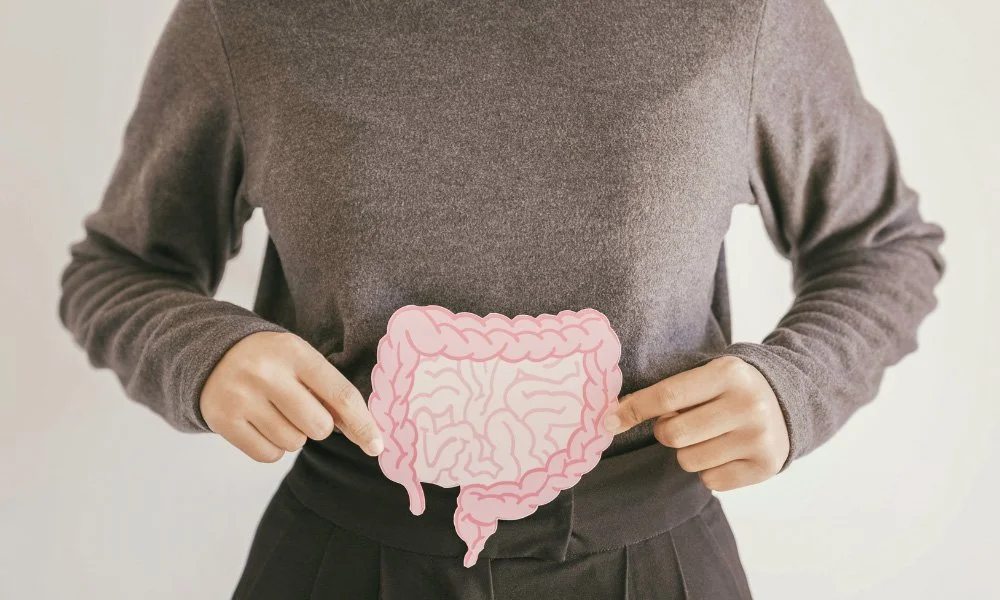

The connection between digestive health and emotional well-being is an area of growing interest among health professionals. For Atlanta residents, who juggle busy urban lifestyles alongside a vibrant cultural scene, understanding the gut-brain connection can be a gateway to better physical and emotional health. The gut is often referred to as the “second brain,” a term that highlights the profound impact it has on overall well-being, particularly emotions.
The Gut-Brain Connection Explained
The gut-brain axis is a communication network that links the gastrointestinal system to the brain. This is mediated through the vagus nerve and a rich population of gut microbes that release neurotransmitters like serotonin, dopamine, and gamma-aminobutyric acid (GABA). Remarkably, about 90% of serotonin, a key player in mood regulation, is produced in the gut. When digestive health is compromised due to imbalances in gut flora, inflammation, or poor dietary habits, it can directly affect how we feel emotionally, leading to issues like anxiety, depression, or heightened stress.
Nutrition as a Mood Booster
For many Atlanta residents, convenience often drives dietary choices. However, highly processed foods, with excessive sugar or unhealthy fats, can harm the gut microbiome and negatively affect mood. Switching to a diet rich in fiber, leafy greens, lean proteins, and fermented foods like yogurt or kimchi can provide a natural boost for gut health. These nutrient-dense options support the growth of healthy gut bacteria, which in turn contribute to better emotional stability.

Stress and the Gut
Living in a bustling city like Atlanta comes with its share of stressors, from managing work-life balance to navigating traffic. Interestingly, stress can take a toll on digestive health, leading to conditions like irritable bowel syndrome (IBS) or acid reflux. Conversely, digestive discomfort can heighten stress levels, creating a cyclical relationship.
Stress management techniques such as mindfulness meditation, yoga, and physical exercise not only reduce stress but also contribute to improved gut function. A brisk walk along the Atlanta BeltLine or a yoga session at Piedmont Park can be restorative activities that effectively target both stress and digestive health.
Sleep, Exercise, and Local Resources
Poor sleep quality is another factor that can disrupt both gut health and emotional well-being. Ensuring a consistent sleep schedule while incorporating regular exercise can enhance digestive efficiency and mood. Atlanta’s array of local resources, from farmers’ markets to wellness centers, provides ample opportunities to adopt healthy lifestyle choices. Regular visits to DeKalb Farmers Market, for instance, can help you stock up on organic, gut-friendly produce that nourishes both the body and mind.
Taking a Holistic Approach
Ultimately, improving digestive health to enhance emotional well-being requires a holistic approach. Local wellness practitioners, nutritionists, and gastroenterologists in Atlanta can provide valuable guidance tailored to individual needs. Additionally, fostering community connections through wellness events like outdoor yoga classes or organic cooking workshops can promote emotional balance by combining physical health with meaningful social interaction.
Conclusion
For Atlanta residents, the link between digestive health and emotions underscores the importance of mindful living. By making informed dietary choices, adopting stress-reducing practices, and accessing local resources, you can nurture not only your gut but also your emotional well-being, empowering yourself to thrive in the dynamic and vibrant environment that Atlanta has to offer.
