
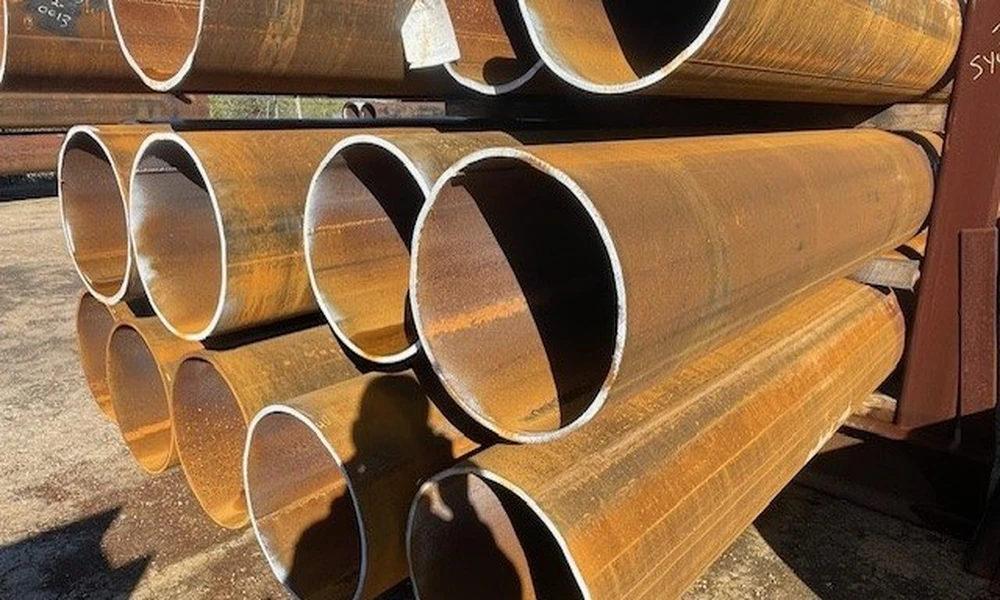

Steel may be the backbone of construction, but its supply chain can be anything but predictable. When project managers face deadlines and cost pressures, surplus steel often enters the conversation as a potential solution, or a looming risk.
The Challenge of Surplus Steel in Construction Projects
Steel shortages can stall projects for weeks, yet warehouses packed with surplus steel offer a tempting alternative. But is surplus always a smart move?
Understanding Surplus Steel: Definition and Market Dynamics
Surplus steel refers to materials remaining after major projects, overstock from mills, or decommissioned installations. While often sold below prime prices, its availability shifts with global demand, economic cycles, and manufacturing trends. Sometimes, the market is flush with surplus inventory; other times, it is desperately scarce.
Common Issues: Budget Overruns and Material Shortages
Contractors sometimes turn to surplus steel when prices for new steel spike or when delivery timelines extend into months. Unfortunately, mismatches between available surplus dimensions and a project’s actual requirements can leave teams scrambling, either paying for modifications or sourcing supplemental material at a premium.
Risks of Using Inappropriate Steel Grades and Specifications
Steel is not created equal. Using mismatched grades or specs can lead to failed inspections, structural problems, or costly rework. The savings from surplus evaporate quickly if materials do not meet code or project demands.
How Surplus Steel Affects Project Budgets
Surplus steel’s influence on project budgets is a mixed bag. It can reduce costs up front, but hidden pitfalls lurk below the surface.
Cost Fluctuations: When Surplus Steel Saves Money and When It Doesn’t
In the right scenario, surplus steel can cut material costs by 10-30%. However, if a project requires rare sizes or unusual grades, the search for the right surplus can delay a schedule or force a purchase at above-market rates to fill the gaps.
Hidden Expenses: Quality Control, Rework, and Delays
Lower up-front prices are often offset by added expenses in testing, certification, and custom fabrication. Projects may face:
– Additional inspections to verify grade and integrity
– Modification costs (cutting, welding, or coating for custom fits)
– Delays while awaiting necessary surplus sizes
A small price per ton difference can balloon into significant overrun when secondary costs roll in.
Case Examples: Budget Impacts from Surplus Steel Usage
Consider a bridge project that saved $40,000 by sourcing surplus beams, only to spend $20,000 on testing and $15,000 on fabrication. In another case, a pipeline contractor bought surplus pipe at a discount but paid a premium to expedite missing dimensions. The lesson? Savings are not guaranteed unless total costs, including time and quality, are factored in.
Material Availability and Supply Chain Implications
When global events or logistics snags tighten supply, surplus steel can keep projects moving. But accessing the right product at the right moment is rarely simple.
Surplus Steel’s Role in Filling Supply Gaps
During peak construction seasons or global supply crunches, surplus stock can bridge the gap between demand and availability. Companies with diverse surplus inventories help prevent costly delays.
Challenges of Finding the Right Sizes and Grades Quickly
The odds of finding a perfect match for every need in surplus stock are slim. Projects with highly specific requirements may need to compromise or spend extra on modifying available surplus.
The Impact of Geographic Location on Steel Accessibility
Location matters. Contractors in the northeastern U.S. or eastern Canada, for instance, may benefit from regional distributors who can quickly deliver diverse surplus inventory, minimizing downtime and transport costs.
Solutions for Managing Surplus Steel Effectively
Project risk and costs can be contained with the right playbook.
Partnering with Reliable Distributors: The Stealth Pipe and Steel Model
Reputable distributors like Stealth Pipe and Steel offer broad inventories, clear documentation, and value-added services. Their expertise helps ensure projects receive surplus and used steel that matches both budget and specification needs, all from a single, convenient source.
Ensuring Quality: Inspection and Certification Best Practices
Invest in material traceability, third-party testing, and clear certifications. This upfront diligence prevents costly failures and rework, especially important with surplus or used steel.
Inventory Management: Balancing Surplus and New Steel Orders
Smart project managers blend surplus and new steel strategically, using surplus for non-critical applications while reserving new materials for critical structural elements. This hybrid approach balances cost, availability, and compliance.
Leveraging Services to Optimize Surplus Steel Use
Value-added services unlock further savings and flexibility.
Custom Fabrication: Cutting, Welding, and Coating Services
Customization enables surplus steel to fit unique project requirements. Services like precision cutting, welding, and coating add value, saving both time and money compared to sourcing new materials.
Matching Steel to Project Needs: Grade Selection and Specifications
Working closely with a knowledgeable distributor ensures that the steel selected aligns with project specs, minimizing risks of code violations or rework.
Selling Surplus Steel: Turning Excess Inventory into Cash Flow
Companies holding leftover steel can sell it back into the market, reducing waste and recouping investment. Reliable partners streamline this process, offering fair pricing and handling logistics.
Strategic Actions to Protect Budgets and Secure Materials
How can teams insulate their projects from steel market volatility?
Planning Ahead: Forecasting Steel Needs and Surplus Opportunities
Effective forecasting and early procurement secure the best prices and material options. When possible, plan for surplus use in early project phases to lock in cost and availability.
Building Vendor Relationships for Flexible Supply Options
Long-term relationships with trusted suppliers open doors to priority access, fair pricing, and expert support when shortages hit.
Utilizing Surplus Steel Without Compromising Structural Integrity
Deploy surplus steel in non-critical areas or where code permits, ensuring all material passes rigorous inspection and meets safety standards.
Conclusion: Turning Surplus Steel Challenges into Project Advantages
Surplus steel can be a powerful ally for budget-conscious projects, but only if managed wisely. From cost savings and supply flexibility to hidden risks, the key is preparation: partner with trusted distributors, invest in quality control, and plan your steel needs proactively. Project managers and procurement teams ready to maximize surplus value while minimizing headaches will find that strategic use of surplus steel can transform a potential liability into a real advantage.
